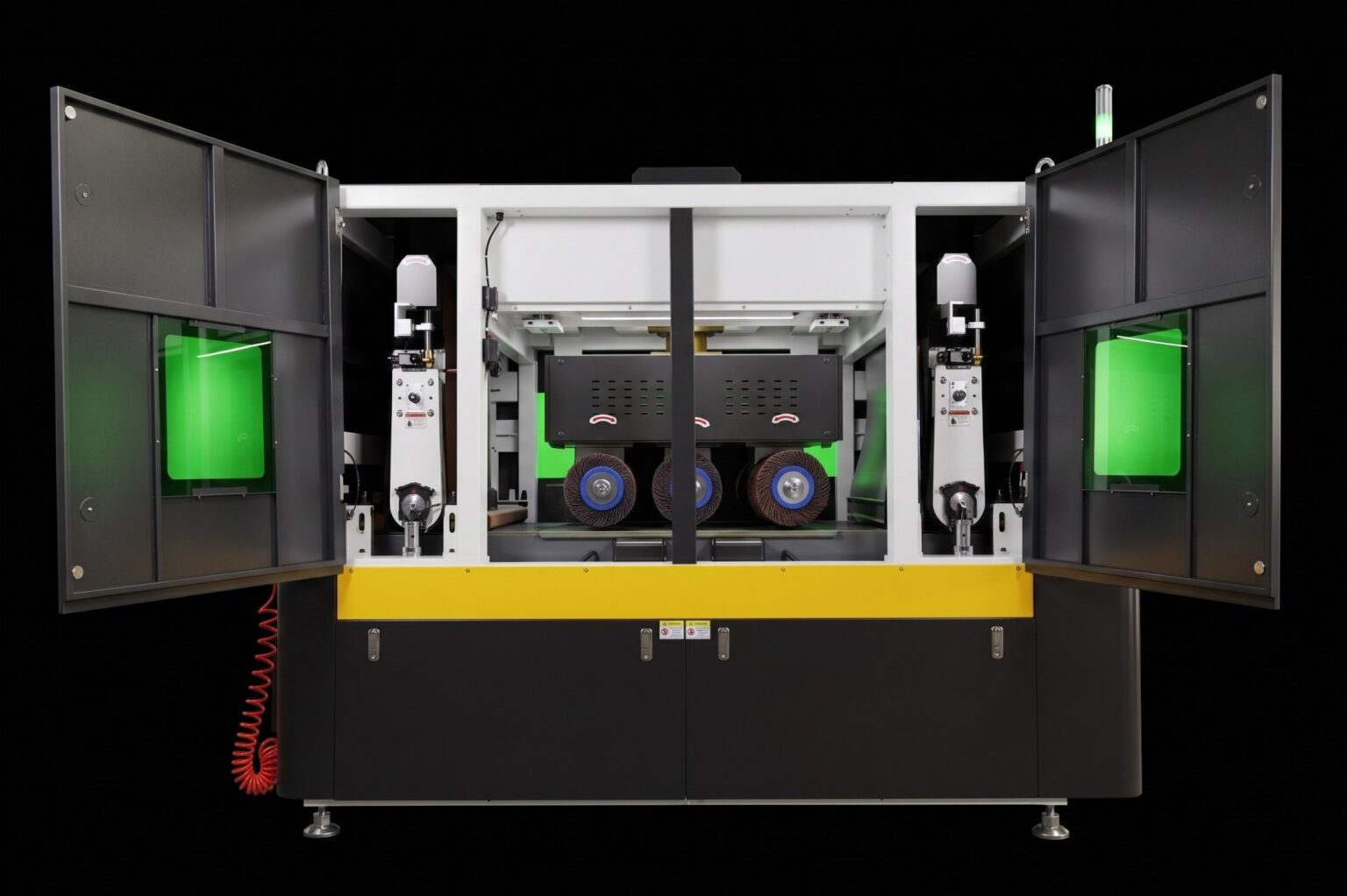
Starting a in-depth study of automatic mechanisms constructed purposed for removing burrs have advanced production activities, ensuring prominent enhancements in rapidity and superiority. This guide investigates the multiple types of systems, incorporating brush-based spinning machines, revolving machines, and cutting-edge numerical methods. We will discuss the positives of integrating this equipment, namely minimized employment costs, higher production steadiness, and upgraded fabrication capacity.
Outline Rounding Instruments: Exact Completing Defined
Contour filleting equipment offer a state-of-the-art solution for realizing correct completion on components. Compared to manual techniques, these robotic systems furnish reliable outcomes and significantly boost fabrication efficiency. The apparatuses frequently use various scraping gadgets like circular wheels, honing plates, or tailored profiles to get rid of sharp corners and defects. Such process is pivotal in a extensive set of sectors, featuring aerospace and electrical.- Advance part texture
- Minimize creation costs
- Enhance turnover and effectiveness
Byproduct Removal Systems: Producing Flawless, Outstanding Finishes
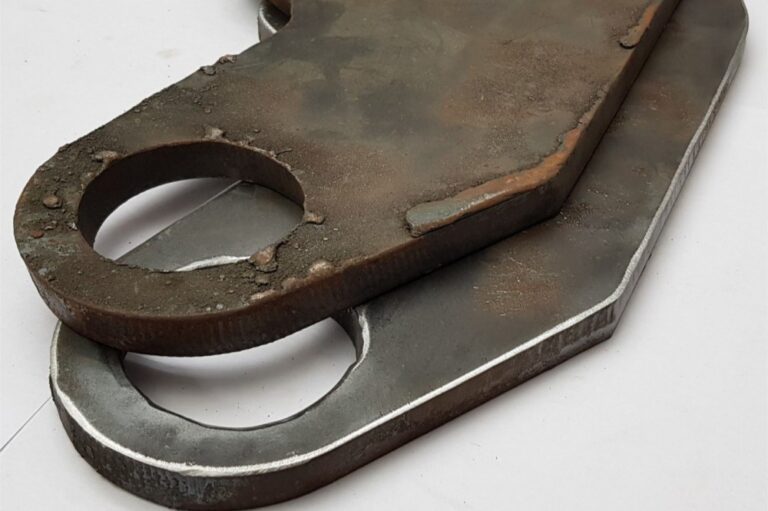
Current smelting processes regularly create significant amounts of impurities, a byproduct that, if untreated, can severely damage the appearance of the material. Fortunately, advanced byproduct management systems offer a efficient solution. These purpose-built machines, employing techniques like polishing, are designed to comprehensively eliminate this unwanted material, ensuring a pure and exceptional surface. The resulting upgrades include curtailed rejection rates, refined aesthetic appeal, and an overall boost in production efficiency. By utilizing innovative slag removal technology, manufacturers can consistently deliver world-class surfaces and match stringent criteria.
Metal Sheet Completion: The Benefits of Deburring Tools
Attaining a superior finish on sheet metal segments is critical for functionality, and deburring tools deliver meaningful gains over non-automated methods. Clearing burrs quickly not only elevates the overall quality of the material, but also reduces foreseeable issues during putting together and application. Besides, robotic deburring procedures augment manufacturing velocities and lessen labor outlays.
Advancing Sheet Metal Production with Automatic Deburring
So as to increase effectiveness in sheet metal production, evaluate automated deburring equipment. Physical deburring is customarily arduous and exposed to variations. Transitioning to automatic deburring affords notable advantages, featuring cut human resources spending, augmented product excellence, and expanded cycle times. These spending may efficiently produce results.Picking the Best Deburring Equipment for Your Endeavor
Determining the finest deburring apparatus for your customized needs necessitates a exhaustive assessment of several factors. To begin with, analyze the sort of resource you're working with – the metal requires unique techniques than polymer. Following that, scrutinize the proportions and outline of the parts needing edge finishing. In conclusion, contemplate your output amount; a extensive operation entails a varied type of instrument than a sporadic one. Missing to factor in these issues possibly generates weak results and increased costs.
Edge Unit Process: Changes and Improvements
Contemporary edge trimming device technique is undergoing rapid development, prompted by the needs for increased exactness and throughput in production processes. Central progressions contain the embedding of intelligent platforms for flexible finishing steps, alongside innovations in finishing process. We're likewise detecting a surge in compact deburring tools geared for niche applications, and revolutionary tactics like ultrasonic polishing are collecting popularity. The future implies towards amplified connectivity of edge-removal machines within the automated plant environment.
Advancing Fabricated Section Integrity with Corner Trimming
Many production processes for aluminum parts introduce sharp edges, which can generate stress concentrations and deficiencies that degrade overall integrity. Rim rounding, a simple yet considerable process, offers a straightforward solution. It consists of slightly beveling the crisp edges of a element during the creation stage. This lowers stress regions, boosts longevity lifespan, and can control fracturing. Benefits are further amplified when dealing with complicated geometries or parts subjected to strong burden. Considerations include the correct curvature of the shape and its bearing on assembly with other elements.
- Declines Stress Points
- Strengthens Resistance Lifespan
- Blocks Cracking
Dross Disposal vs. Edge : Grasping the Contrasts
As many engineers use the labels “slag processing” and “deburring” synonymously, they mean distinct workflows in metal fabrication operations. Deburring focuses on eliminating the sharp, often tiny, projections created during processing operations—these are excess pieces of metallic left on the component. Scale elimination, conversely, addresses those offshoot – typically a mixture of impurities – that occurs during processes like joining. Essentially, deburring deals with unwanted perimeters, while slag removal deals with a residue of a distinct method. Automatic Deburring Machine Ultimately, self-operating deburring and scale removal mechanisms are essential components of modern metal manufacturing that guarantee superior finished products with lowered defects and improved efficiency.Concluding the examination reiterates the key role of innovative automated deburring technologies in revolutionizing processing measures and facilitating businesses realize heightened productivity and standard.