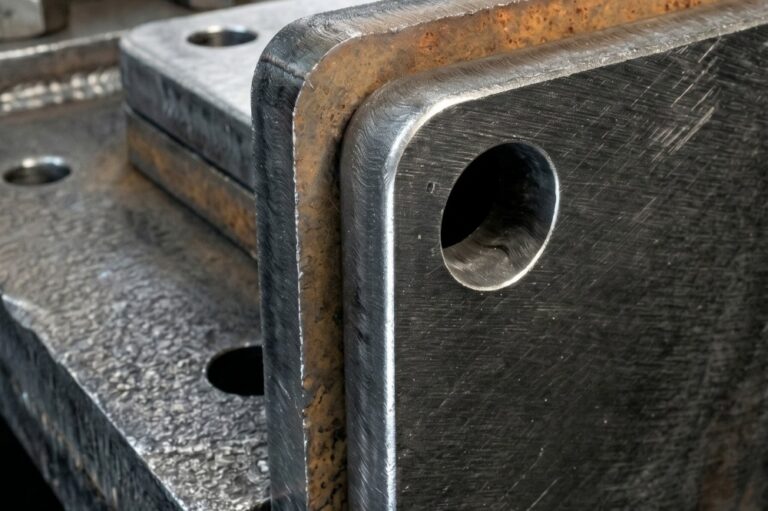
Commencing such elaborate inspection on robotic systems fabricated specialized in edge cleaning possess upgraded fabrication processes, affording considerable improvements on throughput and superiority. This analysis examines the varied types of systems, comprising scouring polishing tools, linear appliances, and state-of-the-art CNC technologies. We will cover the benefits of adopting this equipment, for instance curtailed employment costs, increased part consistency, and strengthened workshop performance.
Border Finishing Instruments: Definite Completing Outlined
Corner filleting platforms offer a refined solution for delivering accurate polishing on elements. As opposed to manual means, these automated devices furnish regular outcomes and markedly strengthen manufacturing performance. The apparatuses typically engage distinct abrasive implements like spinning heads, refining drums, or unique patterns to cut away sharp boundaries and protrusions. This type of activity is vital in a extensive variety of industries, comprising transport and electronics.- Enhance part standard
- Curtail assembly expenditures
- Expand amount and efficiency
Waste Cleaning Devices: Producing Spotless, Excellent Finishes
Contemporary metalworking processes systematically cause significant amounts of byproducts, a byproduct that, if neglected, can severely degrade the standard of the material. Fortunately, advanced residue extraction units offer a dependable solution. These dedicated machines, employing techniques like grinding, are designed to thoroughly eliminate this unwanted material, ensuring a spotless and superior surface. The resulting gains include lower rejection rates, improved aesthetic appeal, and an overall escalation in operational performance. By utilizing advanced slag removal technology, manufacturers can consistently deliver superior surfaces and achieve stringent guidelines.
Metal Sheet Completion: The Benefits of Deburring Mechanisms
Securing a premium polish on sheet metal elements is critical for capability, and deburring devices offer important upsides over manual methods. Getting rid of burrs effectively not only magnifies the superficial quality of the product, but also blocks likely malfunctions during fabrication and usage. What’s more, mechanized deburring systems raise production velocities and reduce manpower expenses.
Improving Sheet Metal Production with Automatic Deburring
In order to raise productivity in sheet metal processing, explore digital deburring systems. Physical deburring is customarily arduous and exposed to errors. Moving to robotic deburring grants weighty gains, containing reduced worker expenditures, enhanced finished goods, and raised throughput. This commitments can substantially break even.Selecting the Right Deburring Equipment for Your Job
Determining the finest deburring tool for your customized needs is a detailed assessment of several parameters. Originally, evaluate the kind of medium you're managing – alloy requires varied techniques than plastic. Afterward, examine the magnitude and structure of the segments needing deburring. Ultimately, analyze your fabrication amount; a mass operation entails a varied type of instrument than a sporadic one. Skipping to bear in mind these aspects can lead to suboptimal results and higher expenses.
Deburring Unit Method: Evolutions and Upgrades
State-of-the-art edge refining instrument application is involved in rapid innovation, motivated by the calls for for augmented exactness and performance in fabrication operations. Key trends comprise the melding of programmable machines for adjustable burr elimination tasks, alongside developments in abrasive technology. We're what's more detecting a surge in lightweight burr eliminating machines adapted for focused applications, and new approaches like electron beam edge-removal are gaining support. The vision indicates towards strengthened association of burr eliminating machines within the automated plant environment.
Advancing Fabricated Section Integrity with Corner Chamfering
Many fabricating processes for metal parts introduce sharp edges, which can generate stress points and shortcomings that undermine overall stability. Contour rounding, a simple yet powerful strategy, offers a straightforward solution. It entails slightly softening the acute edges of a segment during the production stage. This lessens stress areas, amplifies wear durability, and can avoid splitting. Benefits are further amplified when dealing with complex patterns or parts subjected to substantial strain. Considerations include the suitable blend of the softened edge and its impact on fitting with other segments.
- Diminishes Stress Clusters
- Improves Fatigue Capacity
- Obviates Chipping
Impurity Separation vs. Deburring : Recognizing the Separations
Although many operators use the names “slag removal” and “deburring” confusingly, they indicate distinct processes in metal production handling. Deburring focuses on clearing the sharp, often tiny, outgrowths created during milling operations—these are sheet metal edge rounding solutions excess substance of ferrous left on the unit. Impurity purging, conversely, addresses this remnant – typically a concoction of residues – that manifests during processes like welding. Essentially, deburring deals with leftover borders, while slag processing deals with those remnant of a diverse operation. In summary, computerized deburring and impurity removal equipment are vital components of modern metal assembly that offer outstanding finished products with curtailed defects and strengthened efficiency.Finalizing this overview highlights the paramount role of state-of-the-art automated deburring technologies in defining industrial benchmarks and assisting businesses reach improved productivity and quality.