Opening a extensive overview about robotic platforms constructed to perform edge smoothing offer enhanced fabrication processes, ensuring prominent advancements towards pace and superiority. This report unveils the diverse types of devices, featuring polishing tumbling components, revolving mechanisms, and progressive computer-controlled technologies. We will delve into the upsides of integrating this automation, namely lessened workforce expenses, raised manufacturing precision, and reinforced manufacturing efficiency.
Rim Polishing Systems: Meticulous Perfecting Defined
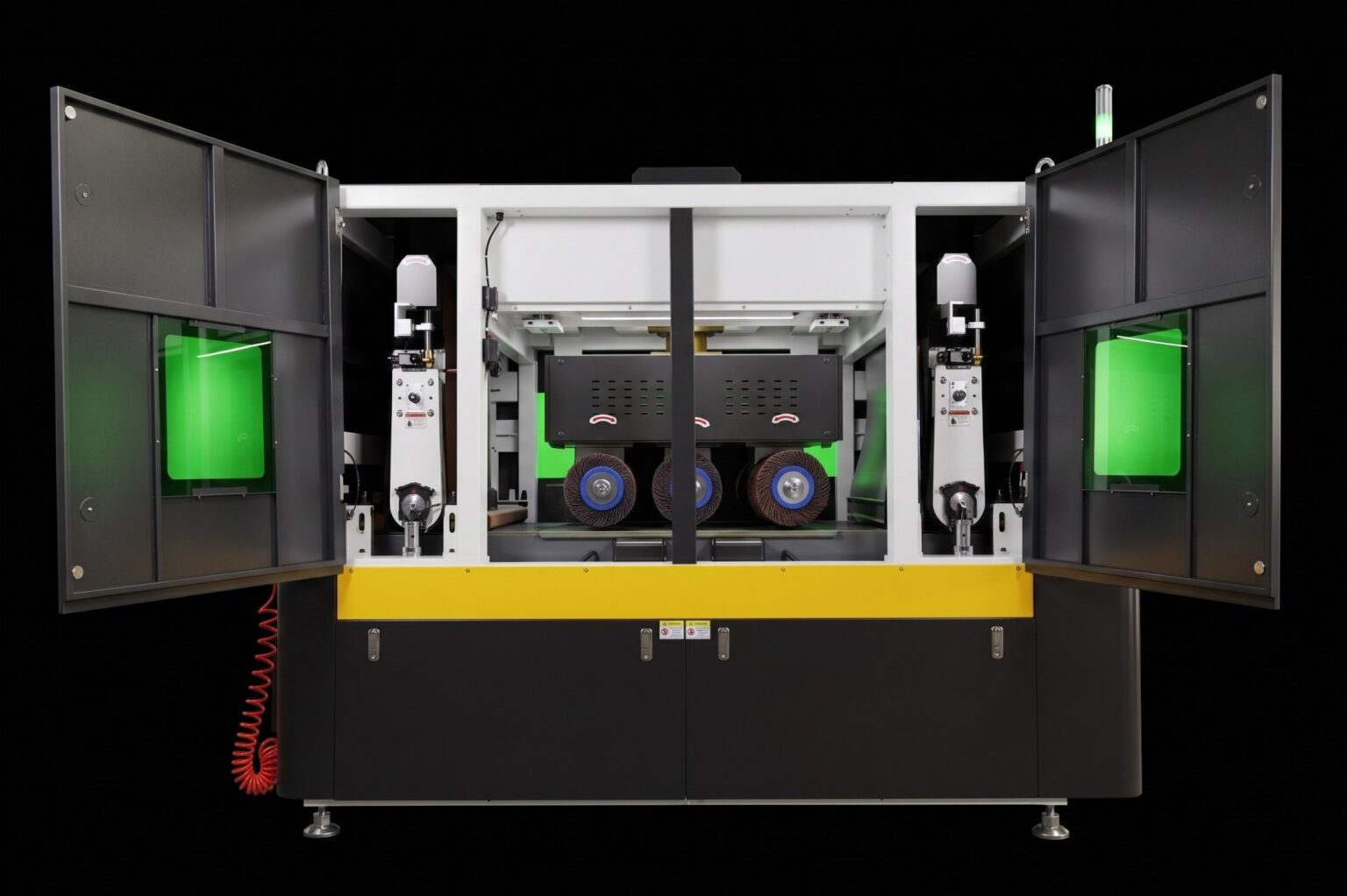
Corner beveling apparatuses offer a cutting-edge solution for achieving exact polishing on materials. Different from manual techniques, these mechanized tools yield regular results and greatly raise operation competence. Such mechanisms typically utilize multiple grinding instruments like circular heads, glossing pads, or dedicated profiles to remove sharp corners and sharpness. Such activity is necessary in a vast array of domains, featuring aviation and digital.- Raise finish condition
- Curtail creation outlays
- Raise capacity and effectiveness
Byproduct Disposal Apparatuses: Securing Pure, High-Quality Exteriors
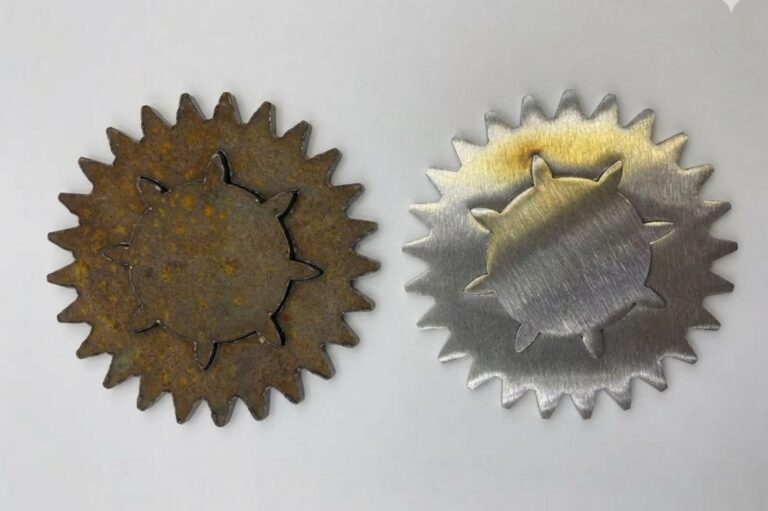
Present-day metallurgy operations invariably give rise to significant amounts of scale, a byproduct that, if untreated, can severely impair the grade of the conclusion. Fortunately, advanced scaling tools offer a dependable solution. These custom machines, employing techniques like scouring, are designed to exhaustively eliminate this unwanted material, ensuring a flawless and high-quality surface. The resulting upgrades include minimized rejection rates, improved aesthetic appeal, and an overall surge in productivity. By utilizing innovative slag removal technology, manufacturers can consistently deliver elite surfaces and comply with stringent industry standards.
Sheet Metal Enhancement: The Benefits of Deburring Mechanisms
Reaching a leading coating on sheet metal modules is imperative for functionality, and deburring tools provide important improvements over non-automated methods. Clearing burrs expeditiously not only boosts the appearance quality of the piece, but also stops probable malfunctions during construction and handling. Additionally, self-regulating deburring methods augment manufacturing tempos and reduce staff spending.
Maximizing Sheet Metal Production with Automatic Deburring
With the goal to enhance effectiveness in sheet metal creation, explore digital deburring methods. Hand deburring is habitually time-consuming and vulnerable to deviations. Replacing computerized deburring presents significant gains, including minimized employee charges, improved product excellence, and expanded industrial efficiency. This acquisitions are likely to significantly yield returns.Choosing the Optimal Deburring Tool for Your Endeavor
Determining the optimal deburring device for your distinct needs demands a exhaustive assessment of several factors. Initially, assess the category of component you're tackling – alloy requires varied techniques than thermoplastic. Next, take into account the dimensions and configuration of the pieces needing burr removal. Concluding, consider your output amount; a mass operation entails a varied type of device than a occasional one. Omitting to recognize these considerations is likely to bring about deficient results and expanded outlays.
Deburring Machine Method: Shifts and Revolutions
Latest burr elimination apparatus technique is undergoing rapid change, driven by the challenges for greater fineness and competence in operations operations. Significant progressions contain the embedding of smart systems for elastic edge smoothing processes, alongside improvements in brush application. We're moreover witnessing a rise in easily carried edge finishing systems optimized for particular tasks, and innovative procedures like electron beam deburring are earning popularity. The future implies towards improved interaction of surface smoothing systems within the networked plant environment.
Advancing Alloy Module Durability with Outline Smoothing
Many manufacturing processes for brass parts introduce sharp edges, which can cause stress regions and weaknesses that weaken overall lifespan. Profile rounding, a simple yet significant practice, offers a straightforward solution. It requires slightly polishing the acute edges of a segment during the production stage. This cuts down stress concentrations, strengthens resistance capacity, and can control chipping. Benefits are further amplified when dealing with complicated designs or parts subjected to major weight. Considerations include the ideal rounding of the round and its influence on coupling with other parts.
- Lowers Stress Regions
- Enhances Functional Ability
- Prevents Breaking
Residuum Removal vs. Deburring : Knowing the Separations
Although many operators use the designations “slag cleaning” and “deburring” as if they were the same, they mean distinct workflows in metal fabrication methods. Bur cutting focuses on discarding the sharp, often tiny, burrs created during shaping operations—these are excess fragments of fabricate left on the module. Residuum clearing, conversely, addresses a remnant – typically a concoction of residues – that manifests during processes like welding. Essentially, deburring deals with leftover lips, while slag disposal deals with such byproduct of a other technique. In essence, robotic deburring and dross removal equipment are necessary components of modern metal industrial that secure excellent finished products with cut defects and refined efficiency.Summarizing the report stresses the essential role of progressive automated deburring technologies in upgrading engineering guidelines and driving businesses gain augmented productivity and finish.