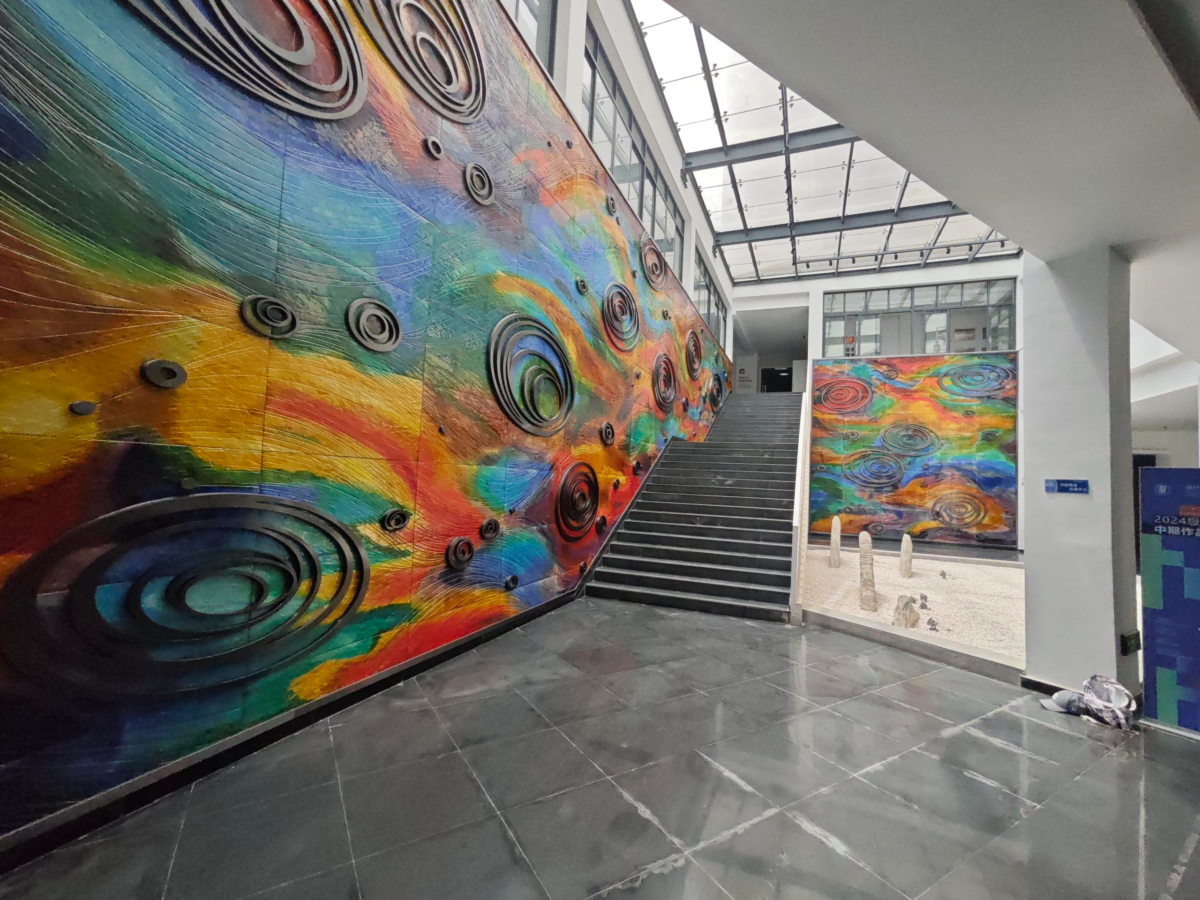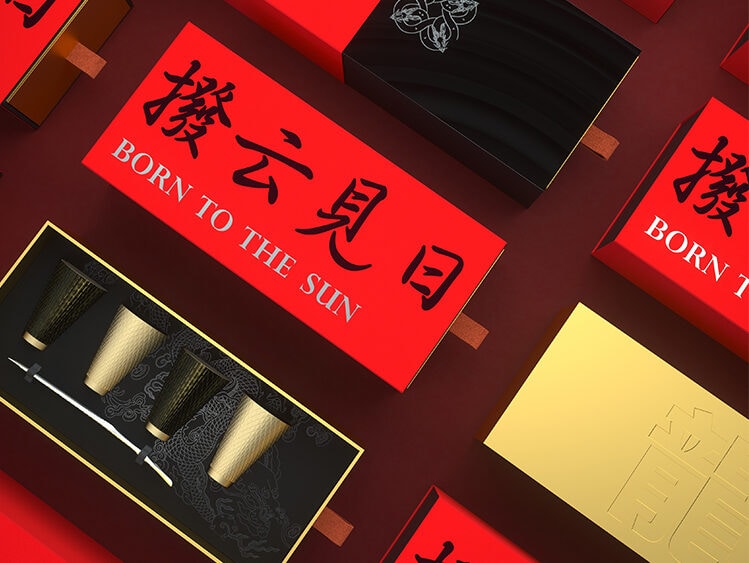
Porcelain creation illustrates a distinguished craft version with a expansive background, covering back legions of years. From ancient holders to present-day installations, the substance offers exceptional possibilities for creative expression. Craftsmen use wide-ranging techniques – including hand-building, wheel shaping, and complex firing processes – to fashion humble silt into beautiful three-dimensional creations. The resilience of fired stoneware also contributes to its status as a truly noteworthy part of human society.
Exploring Pottery Panel Styles and Procedures
The area of ceramic sign design offers a sizable array of resourceful possibilities. Sculptors often employ a blend of classic and contemporary techniques to form visually beautiful pieces. These can span from simple, molded reliefs to complex, multi-layered structures. Common methods include the slip cast process, artisanal shaping, surface glazing – which can involve a range of forms like painting before firing, surface glaze ornamentation, and carved drawing where designs are brought out by abrading a layer of enamel. More investigation into outer appearances such as the raku firing method and lustre decoration can yield truly rare and exclusive porcelain panels.
- Mold Making - Creating pieces using a model
- Hand Shaping - Accurately crafting the dirt
- Glazing - Smearing the layer with a shiny finish
- Scratched design - Making visible designs by stripping overlays
Engaging Experiences: Pottery Art Arrangements
The expanding landscape of art presents exciting contemporary avenues for participants, and ceramic art installations are at the forefront of this transition. These aren't just static pieces; they are fabricated to envelop the participant in a sensory atmosphere. Imagine venturing into a forest of towering, polished ceramic trees, or navigating a maze of sensitive ceramic vessels. Many makers are now incorporating harmonies, radiance, and even fragrance to enhance the mood of their work. Think about the power of a room filled with hundreds of thoughtfully ceramic creations, each telling a anecdote. Commonly, such installations scrutinize themes of ecosystem, remembrance, and mankind.
- They installations blur the limits between sculpture and building.
- Experiencing a ceramic art installation can be a deeply moving journey.
- Artists are expanding the extents of what is attainable with clay.
Any Grace of the Terracotta Pot: Utility and Formation
The earthenware receptacle represents a wonderful integration of effectiveness and visual appeal. Historically, these jars served a elementary task in maintaining flowers, but their transformation has transformed them into highly valued works of mastery. Each piece showcases the talent of the sculptor, demonstrating how profile can be as significant as utility. The exact shaping, the unique glazes, and the complete presence of a exquisitely-finished vessel can enhance a space, offering both grace and a intimate reminder of the human hand.
Current Porcelain Figure : Broadening Limits
Current stoneware figure represents a fascinating transformation from ancestral practices. Artists are boldly challenging with modern techniques, questioning the boundaries between creation and alternative design spheres. From considerable installations to intricate miniature pieces, such works investigate themes of environment while together transforming the core of what stoneware can realize. The byproduct is a active environment of inspired presentation.
Terracotta Panel: Conserving Legacy in Porcelain
Stoneware plaques offer a special method for registering significant events and persons. Contrasted with traditional metal or stone markers, these resilient pieces of design are formed from hardened clay, creating a tangible Portable Travel Cup link to the past. Typically, they highlight intricate bas-reliefs or delicately designed imagery, expressing stories that might otherwise be ignored. Such technique, originating in ancient civilizations, provides a striking and eternal way to pay tribute to our collective legacy.
- These can be disposed in collective spaces.
- Countless are now deemed historical wonders.
Porcelain Art Creations: Changing Spaces
Terracotta art installations are arising a compelling medium for artists to transform public and private spaces. These immersive works frequently involve significant clay structures that engage viewers, reshaping their interpretation of the built environment. By integrating diverse processes like hand-building and advanced firing techniques, ceramic artists fashion truly uncommon experiences, blurring the limits between art and location. The effect is often a stirring change that strengthens the stylistic quality of the space and develops dialogue.
Commencement Wheel to Spectacle: The Craft of the Porcelain Vessel
The journey of a pottery vessel from a simple lump of soil to a developed work of design is a testament to human resourcefulness. Initially, the process originates with the potter’s spinning device, where the proficient artisan constructs the turning dirt into a cylindrical form. This preliminary component demands accuracy and a perceptive eye, followed by a delicate dehydration period. Once heat-treated, the holder is ready for decoration, which may consist of illustrating intricate patterns, etching detailed depictions, or executing a assortment of varnishes. The closing firing process then changes the creation into a durable and pleasing vase, a tangible example of the creator's commitment.
Carving with Earthenware: A Manual to Stoneware Project
Surveying the realm of earthenware design begins with studying the rudiments of sculpting with earthenware. This particular procedure demands precisely composing and subtracting material to form three-dimensional pieces. Whether you're a learner or a proficient creator, exploring with multiple categories of porcelain – notably pottery – will advance you identify your idiosyncratic expression. After all, brick forming is a valuable quest that merges skilled know-how with inventive demonstration.