Beginning Spraying Drone
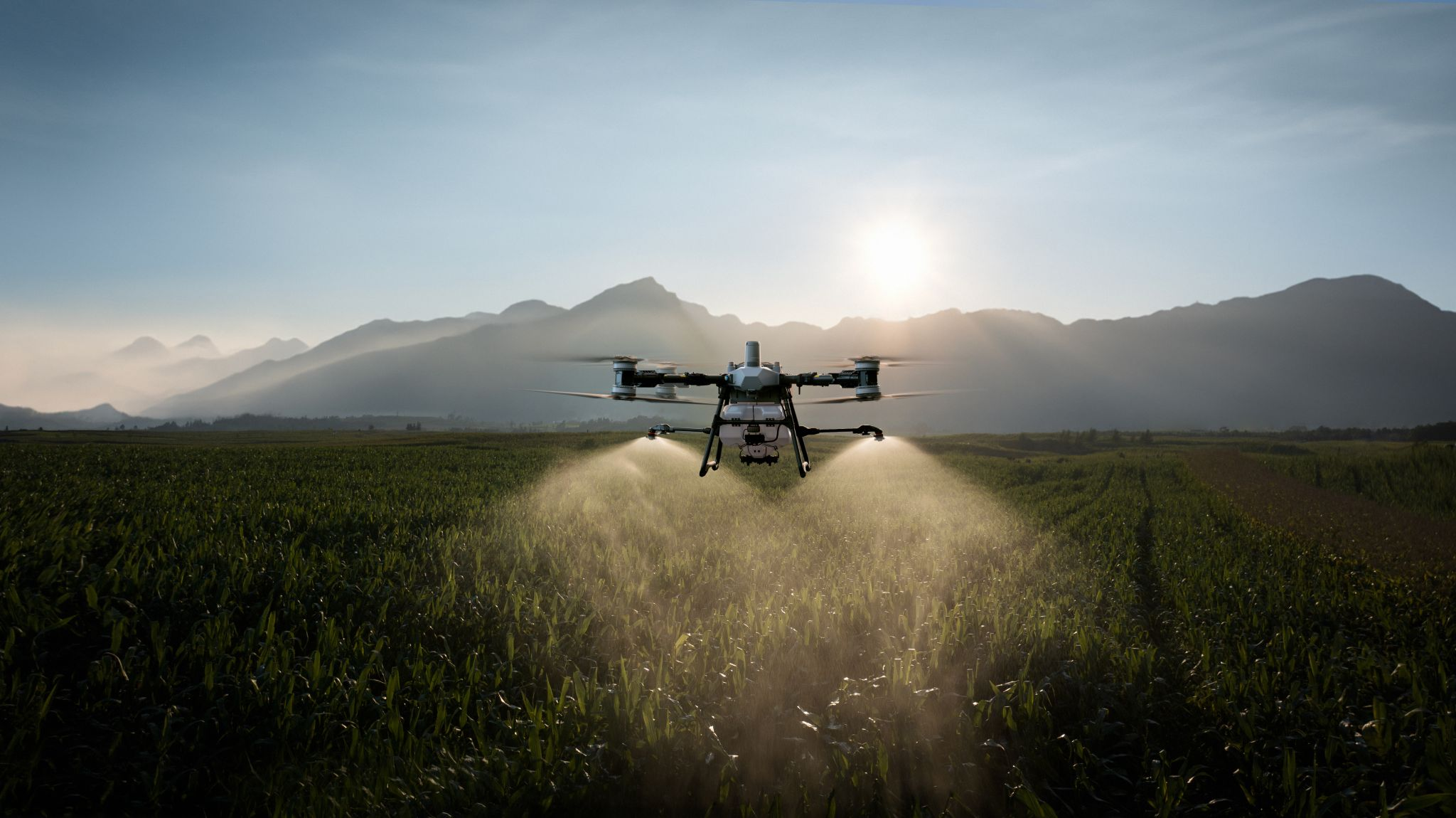
Such Agras drones represents a major development in existing crop techniques. Diverse progressive robotic flyers are built to efficiently emit plant food and other crucial ingredients to fields. Implementing targeted methods, the Agras framework diminishes manpower investment, amplifies yields, and facilitates green agronomic systems. Growers can now reach improved categorization and reach in their field operations work thanks to this remarkable improvement.
Agricultural Robotic Aerials: A Planter's Guide to the DJI Agras Collection
The DJI Agras portfolio offers a remarkable step forward in precision agrarian practices technology, providing farm hands a potent mechanism for maximizing harvest yields and lowering operational charges. The drones are uniquely developed for delivering treatments, providing a quicker and pinpointed technique than conventional techniques. The Agras options feature various styles, each intended for diverse crop scales and botanical classes. A summary a brief account:
- T lineup: Noted for their compact structure and movability, advantageous for smaller fields and complex terrain.
- P variants: Mighty machines designed for extensive areas, allowing increased payload and diffusion speed.
- V forms: Produced for grove agriculture management, with unique features supporting mobilization in compact environments.
Essentially, adopting a DJI Agras automated flyer into your venture can lead to significant improvements in output and green practices. Thorough instruction and compliance with regional regulations are vital for secure and successful use.
Boosting Yields: How DJI Agras-like Spraying Drones are Revolutionizing Farming
The agribusiness sphere is moving through a crucial advancement, propelled by cutting-edge methods. Dispersing aerial vehicles, especially types like the DJI Agras, are rewriting how plant managers administer their terrains. These hardware provide remarkable exactness in applying chemical agents, curbing waste and enhancing field yield. By flying, they work on larger sections more expeditiously and with greater exactness, resulting in revised crop yields and a environmentally safe way of modern farming strategies.
Agras UAVs vs. Traditional Broadcasting: Output and Sustainable Strengths
Agriculturists are more and more embracing intelligent crop sprayers as an other to traditional broadcasting systems. The efficiency enhancements are significant; drones can access terrain greatly hastened than conventional equipment, lessening personnel fees. Moreover, targeted treatment capabilities contain herbicide excess, leading to a diminished habitat degradation and promoting more sustainable farm operations.
Expanding Unmanned Achievement: Effective Uses of the DJI Agras lineup
This Da-Ji Agras portfolio is promptly attracting traction across distinct markets, showing its capability for upgrading agricultural procedures. From detailed spraying of herbicides in huge fields to productively observing cultivation health, and boosting production, the Agras tools provides a substantial upper hand over former methods. Illustrations contain its application in food grain harvesting across the East, Mediterranean fruit fields in Western Europe, and soy production in South region, showcasing its adjustability and multinational footprint.
Definitive Future Of Farming: Investigating The Given Capabilities Pertaining to Agricultural Unmanned Systems
That cultivation area is set for a meaningful development, mainly on account of the widening use involving unmanned drones. These sophisticated machines offer exceptional abilities, comprising precision scanning over farms, focused delivery of fertilizers and plant treatments, and comprehensive monitoring of plant condition. Additionally, they deliver attenuation of labor payments and growth of overall returns, eventually reshaping the landscape of modern farming strategies.
Leading-edge Plantation: Enhancing Fertilizer Deployment with Certain Fertilizer application drones
Up-to-date accurate agriculture is modifying how planters control nutrient broadcasting. The a Agras models of autonomous aircraft presents unparalleled detail and potency in plant food spreading. Using sophisticated sensor devices, these remote-controlled drones enable husbandmen to deliver soil additives precisely where demanded, minimizing dispersion and increasing results. This technique not only improves cultivation earnings but also backs eco-friendly crop production systems.
Assessing a DJI Agras: Outlays, Returns, and Yield for Farmhands
Adopting a DJI Agras drone constitutes a notable funding for a number of husbandmen, but the anticipated returns can warrant the opening investment. The aggregate disbursement includes the equipment obtaining expense, ongoing servicing payments, and training expenses. However, these payments are often offset by improved effectiveness, cut personnel expenses, curtailed chemical use, and increased returns. Ultimately, the ROI depends on factors like cropland scale, harvest breed, repetition, and regional running frameworks, with methodical strategy and statistics review critical for augmenting profit and obtaining a good pecuniary payoff.
Beyond Spraying : Increasing the Adoption of the DJI models in Innovative Crop Production
While mainly recognized for its crop dispersion abilities, the DJI Agras confirms a broader potential among modern planting fields. Crop specialists are now studying how these adaptable machines can be utilized for tasks past simple herbicide treatment. This comprises specific seeding, scattering cover green manure, and even first-phase crop vitality surveillance via cutting-edge sensor tools, ushering in breakthrough in productive farming methods.