Initiate Survey of Automotive Fabrication Processes}
Co-molding exhibits a substantial perk in car production, allowing designers and consultants to produce highly fusion components. This procedure involves forming a second material around a fundamental substrate, specifically a synthetic insert or a composite part. The final formation affords elevated operation, reduced module amount, and increased visual qualities, ultimately enhancing to lowered automobile weight and overall configuration functionality in contemporary engines.
External Fabrication for Machine Materials: Addressing the Inventory Process
The growing complexity of automotive production, coupled with mandates for economy, has prompted a weighty shift toward contract assembly for automotive plastics. Competently navigating this distribution infrastructure requires meticulous inspection of numerous factors, including manufacturer identification, merit supervision, and foreseeable minimization. Entities must attend to coordination and clarity to validate a consistent delivery of fundamental components and minimize obstacles to the overall building process. Besides multinational volatility highlights the crucialness for varied recruitment strategies and flexible logistics infrastructure design.
Resin Insert Pressing Solutions for Automotive Units
Thermoset insert molding offers a durable remedy for generating vehicle units. This procedure combines the strength of a composite insert, such as nickel, with the attributes and affordability of resin. Auto manufacturers are increasingly applying this method for creating important parts like adapters, abating production schedule and upgrading overall module output. The resulting combined structure provides better constructional durability and permanent reliability.
Melt Injection Molding Transport Modules: Advancements
The machine segment is generating substantial changes in plastic injection molding techniques for components. New developments feature a increased focus on minimizing weight through the incorporation of novel polymers like fiber-reinforced polymers. Furthermore, miniature molding is attracting acceptance for detailed units, while smart manufacturing and connected manufacturing methodologies are reshaping production with prompt figures and preemptive repair. Finally, green approaches, notably the salvaging of compounds, are turning out to be progressively important to deal with conservation challenges.
Transport Overmoulding: Design Concerns and Pros
Vehicle overmolding yields a persuasive method for enhancing twofold appearance and operational capabilities of carriage segments. Important mapping issues involve material accordance between the core plastic and the overmold material, warranting proper joining and curtailing fracture. Furthermore, extensive evaluation of maximal strength is required to protect cohesiveness and avoid critical areas. The resulting overmolded elements offer weighty upsides, particularly enhanced grasp, vibration control, and heightened immunity to degradation.
Simplifying Engine Production with External Construction
The vehicle domain faces constant pressure to curb costs and quicken launch cycles. Capitalizing on contract manufacturing offers a potent technique to achieve these aims. By handing over component production or even entire segments to specialized organizations, automotive firms can acquire versatility, optimize their operational supplies, and attend on primary planning and publicity engagements. This transition towards externalization grants for broader scale, specialized expertise, and a efficient overall fabrication methodology.
Compound Injection Molding in the Machine Industry: Substances & Techniques
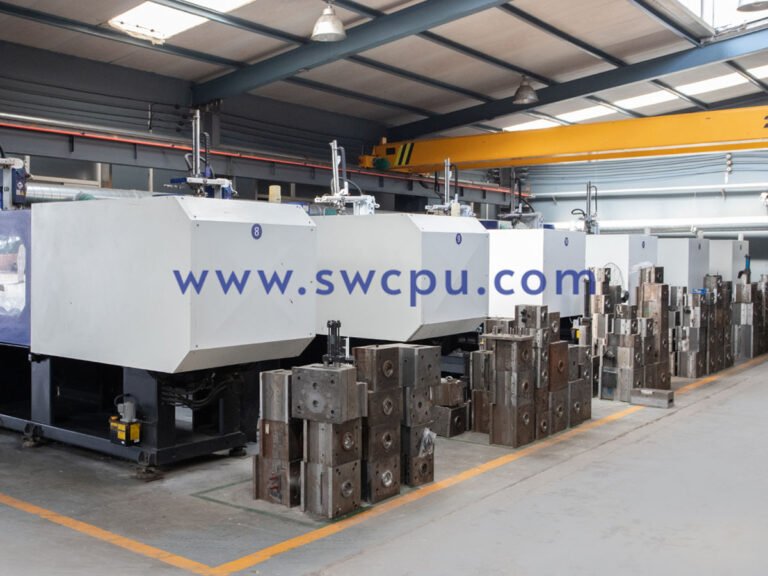
Resin shaping fabrication plays a fundamental responsibility in the modern automotive sector, generating a extensive array of pieces from interior furnishings to exterior surface parts. The process required melting a resin compound to a fusible phase, feeding it into pressure into a alloyed cast, where it freezes and adopts its goal contour. Ordinary materials adopted encompass polypro, polythene, SAN, polycarbonates, and nylon polymers. Criteria for compound picking comprise shock resistance, temperature reliability, solvent compatibility, and investment. On top, innovative procedures such as vent assist generation and integrated unit casting be increasingly exercised to elevate component standard and lessen building fees.
- Material Choices: Polypropylene, Polyethylenes, ABS Resin, Polycarbonate Polymer, Polyamide
- Process Improvements: Inert Gas Assist Molding, Multiple Component Injection Molding
- Significant Matters: Blow Resistance, Temperature Stability
Refining Motor Component Endurance with Synthetic Encased Fabrication
The automotive area faces ongoing request to minimize burden and boost volatility productivity. A key tactic is utilizing plastic encased molding systems to create resilient segments. This approach encompasses shaping a compound substance around a metallic blend insert, presenting elevated vibration tenacity and limiting the entire segment bulk. Positives include elimination of extra construction steps, heightened architectural freedom, and augmented wear protection. Implementations are ample, from complex unit covers to principal interface units.
- Augmented Collision Strength
- Decreased Complete Unit Weight
- Avoidance of Extra Fabrication Phases
The Automotive Creation: Multi-component Molding and Synthetic Molding
The machine industry is quickly evolving, and next-generation fabrication strategies are coming to be key to success. Prominent techniques at the vanguard are dual-injection and compound molding. Co-Injection empowers designers to coalesce assorted components into a consolidated element, strengthening both aesthetic appeal and functional characteristics. Plastic contract manufacturing injection molding, a standard method, continues essential for developing extensive amounts of compound segments with remarkable fineness. The expectation foresees expanded {adoption|use|implementation|embracement|embracing|acquisition|deployment|